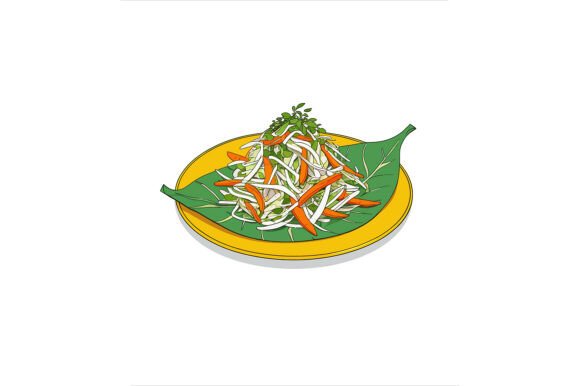
Illustration of a Salad: A Strategic Creative Asset for Designers and Entrepreneurs
When you're working on a design project that requires both visual appeal and adaptability, the Illustration of a Salad emerges as a versatile and strategic choice. This high-quality EPS vector illustration isn't just a decorative element — it's a foundational asset that can support a wide range of creative and business goals. Whether you're crafting a branded product, designing educational materials, or developing a digital marketing campaign, this illustration offers a blend of flexibility and aesthetic value that aligns well with practical design needs.
Why the Illustration of a Salad Matters Strategically
At first glance, an illustration of a salad might seem like a simple graphic. However, its strategic value lies in its ability to communicate themes of health, freshness, and natural living. These associations make it particularly effective in branding, packaging, and content marketing for wellness, food, and lifestyle industries. When used intentionally, the Illustration of a Salad can help reinforce your brand's positioning and support your messaging around sustainability, nutrition, or organic values.
Moreover, because it's delivered in a fully editable vector format, it becomes a long-term asset. Designers can resize it without quality loss, recolor it to match brand palettes, and integrate it seamlessly into both print and digital workflows. This level of adaptability ensures that the illustration remains relevant and useful across multiple projects and platforms.
How to Use the Illustration of a Salad with Purpose
Using the Illustration of a Salad effectively requires more than just placing it on a page — it demands a strategic approach that aligns with your goals and audience expectations. Here are several practical use cases and implementation strategies:
- Branding and Packaging: Incorporate the illustration into food-related product packaging, such as salad dressings, meal kits, or organic snacks. Its clean, stylized appearance conveys professionalism and natural appeal.
- Educational Content: Use it in infographics, presentations, or children's books to explain nutrition concepts. The visual clarity of the illustration makes it ideal for teaching about food groups and healthy eating.
- Digital Marketing: Integrate the illustration into blog posts, social media graphics, or email campaigns that focus on wellness topics. It can help increase engagement by adding visual interest and thematic coherence.
- Print-on-Demand Products: From t-shirts to greeting cards, the illustration can be adapted to various merchandise formats, allowing entrepreneurs to create cohesive product lines that appeal to health-conscious consumers.
Planning and Positioning for Maximum Impact
Before incorporating the Illustration of a Salad into your design or marketing strategy, consider the following planning steps to ensure it supports your broader objectives:
- Define the Goal: Ask yourself what you want the illustration to achieve. Is it to enhance visual storytelling, support a product launch, or improve brand recognition? Clear goals will guide how you use and adapt the image.
- Align with Brand Identity: Make sure the color scheme, style, and tone of the illustration align with your brand's visual language. This ensures consistency and reinforces brand recall.
- Consider the Audience: Think about who will see the illustration and how they might interpret it. For example, younger audiences may respond well to a playful, stylized version, while professionals might prefer a more minimal, clean design.
- Test for Versatility: Before committing to a design, test the illustration across different formats and backgrounds to ensure it maintains visual integrity and readability.
Understanding the Risks of Random or Misaligned Use
While the Illustration of a Salad is a powerful design element, using it without strategic intent can dilute its impact or mislead your audience. For instance, placing it in a context unrelated to health or food could confuse viewers or weaken your message. Additionally, failing to customize the illustration to match your brand’s visual tone may result in a disjointed or generic appearance.
Another potential pitfall is overusing the same illustration across multiple projects without adaptation. While consistency is valuable, repetition without variation can reduce engagement and make your content feel less original over time.
Maximizing Long-Term Value Through Intentional Adaptation
One of the standout features of the Illustration of a Salad is its capacity for long-term reuse. Because it's delivered in EPS vector format, designers can modify it for new applications as brand strategies evolve. Here's how to future-proof your use of the illustration:
- Keep Original Files Organized: Store both the EPS and JPEG versions in a centralized, labeled asset library for easy access across teams or projects.
- Create Variations: Save multiple color variations or cropped versions for different uses, such as dark mode designs or seasonal promotions.
- Update Thoughtfully: As your brand evolves, revisit the illustration and adjust its colors, style, or placement to maintain alignment with current messaging and visual direction.
- Use Across Touchpoints: From website headers to packaging labels, integrate the illustration consistently but thoughtfully to build visual continuity without overexposure.
Conclusion: Making the Illustration of a Salad Work for You
The Illustration of a Salad is more than a visual element — it's a strategic tool that, when used intentionally, can elevate your creative output and support your business goals. Whether you're a designer, educator, entrepreneur, or marketer, this illustration offers a flexible and scalable way to communicate ideas around health, nature, and lifestyle. By approaching its use with clarity, planning, and alignment, you can ensure that it contributes meaningfully to your brand's visual identity and long-term success.
Remember, the key to effective design isn't just in having the right assets — it's in knowing how to use them strategically. The Illustration of a Salad gives you the creative freedom to do just that, provided you approach it with purpose and planning.